
Product
Cocamidopropyl Betaine
A reliable, versatile surfactant for gentler formulations.
What is Cocamidopropyl Betaine?
Cocamidopropyl Betaine (CAPB) is an amphoteric surfactant derived from coconut oil. That means it carries both positive and negative charges, which gives it some useful properties you won’t always find in a single ingredient.
It’s widely used across personal care and cosmetic formulations, valued for its mildness, its ability to produce a rich, stable lather, and how well it works alongside other surfactants. CAPB is available as a liquid, typically at 30% or 35% active content, making it straightforward to incorporate into your existing manufacturing processes.

What is CAPB used for?
CAPB is a staple ingredient across a wide range of rinse-off personal care products. You’ll find it used across several product categories.
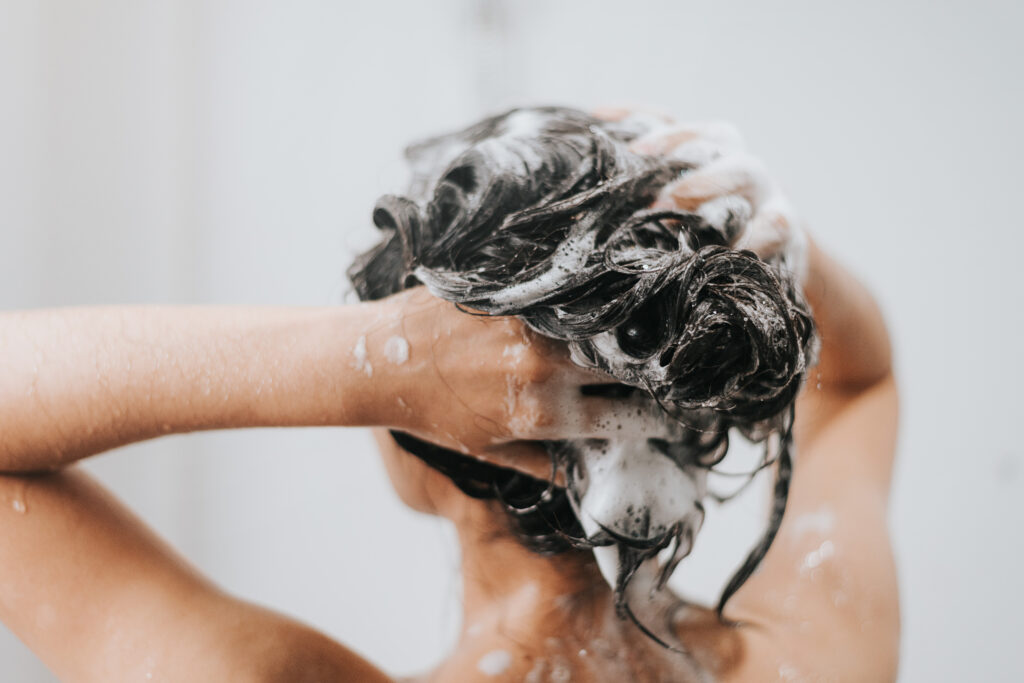
In shampoos and body washes, it works alongside primary surfactants, typically anionics like Sodium Lauryl Sulphate or Sodium Laureth Sulphate, to boost foam quality, improve skin feel and reduce irritation. In facial cleansers and micellar waters, its mildness makes it a go-to choice for formulations targeting sensitive or reactive skin. Hand soaps benefit from its conditioning effect, which helps offset the drying that can come with frequent washing. You’ll also find CAPB in toothpaste and oral care products, where it contributes to foam without the harshness of some other surfactant options.
Key product benefits: CAPB
Mildness & sensitivity
CAPB has a well-established safety profile and is widely regarded as one of the gentlest surfactants available. It’s a good fit for products positioned for sensitive skin, children’s ranges, or any formulation where irritation potential needs to be kept low.
Foam boosting & stabilisation
One of CAPB’s most useful characteristics in formulation is what it does to foam. It doesn’t just add volume, it improves the texture and stability of the lather produced by your primary surfactants, giving the end product a more premium feel.
Compatibility
CAPB works well across a broad pH range. It’s compatible with anionic, cationic and non-ionic surfactants, proteins and conditioning agents, making it a practical choice for multifunctional products.
Viscosity
When combined with anionic surfactants, CAPB boosts viscosity in a way that can reduce your reliance on additional thickeners. It’s a useful ingredient for simplifying your formulations or managing costs.
Biodegradable
CAPB is readily biodegradable, which is an increasingly important consideration as your customers look for products that meet higher environmental standards.
Why source your CAPB from MegaChem UK?
We work with manufacturers at every scale, and we understand that reliable supply matters just as much as product quality.
Our global sourcing network means we can offer consistent availability, and our technical team is on hand to support you with formulation guidance, regulatory documentation and any compliance questions that come up along the way.
We hold ISO 9001 certification and work to the highest quality standards, so you can be confident in what you’re receiving. If you need to discuss specific grades, pack sizes or volumes, we’re happy to have that conversation.
Frequently asked questions
Is CAPB safe for use in leave-on products?
CAPB is primarily used in rinse-off formulations. While it has a good mildness profile, most regulatory guidance and industry practice positions it as a rinse-off ingredient. If you’re considering it for a leave-on application, we’d recommend reviewing the relevant safety data and speaking to our technical team.
What concentration of CAPB is typically used in formulations?
Use levels vary depending on the product type, but CAPB is commonly formulated at between 1% and 6% active in finished products. We can provide guidance on typical use levels for specific applications, if that’s helpful.
Is CAPB suitable for natural or organic formulations?
CAPB is derived from coconut oil, so it has a bio-based origin, but it does undergo chemical processing. Whether it’s suitable for your natural or organic positioning will depend on the specific certification standards you’re working to. We can supply relevant documentation to support your assessment.
What grades of CAPB does MegaChem UK supply?
We supply CAPB at both 30% and 35% active content. If you have specific requirements around grade or specification, get in touch, and we’ll confirm what we can offer.
How should CAPB be stored and handled?
CAPB should be stored in a cool, dry place, away from direct sunlight and freezing temperatures. It’s generally considered low hazard, but standard good manufacturing practice applies. Full safety data sheets are available on request.
Does CAPB have good regulatory standing across major markets?
Yes. CAPB is approved for use in cosmetic products across the UK, US, EU and many major international markets. It appears on the EU Cosmetic Products Regulation’s list of permitted ingredients and has been assessed by the Cosmetic Ingredient Review. We can provide full regulatory support documentation as required.
Source your CAPB from Megachem UK
If you’d like to discuss your CAPB requirements, including availability, technical specifications or whether it’s the right fit for your formulation, our team is here to help.
We’ll get back to you quickly and without any fuss.
